HOW TO DETERMINE HAIR POROSITY?
And what do you need to know about it? Before we get to that, let's start by explaining what porosity is. Simply put, it is the degree to which the outer layer of the hair (the cuticles) lifts away from the inner layer…

And what do you need to know about it? Before we get to that, let’s start by explaining what porosity is. Put simply – it is the degree to which the outer layer of the hair (the cuticles) lifts away from the inner layer (the cortex).
The most reliable way to determine porosity is a visit to a trichologist, who will examine hair from different parts of the head under a microscope. But there is also a home method – using a glass of water. Place a few strands of hair in it and observe what happens. If they stay on the surface – your hair is low-porosity (a smooth, tight coating prevents water from entering the shaft). If they sink about halfway – medium porosity, and if they drop right to the bottom – high porosity, because the raised cuticles let water into their interior.
You can also assess porosity by the appearance of the strands:
- LOW-POROSITY HAIR is healthy, smooth and shiny. It takes quite a long time to dry after washing. It combs easily, does not frizz and does not tangle. It is most often straight, small in volume and hard to style.
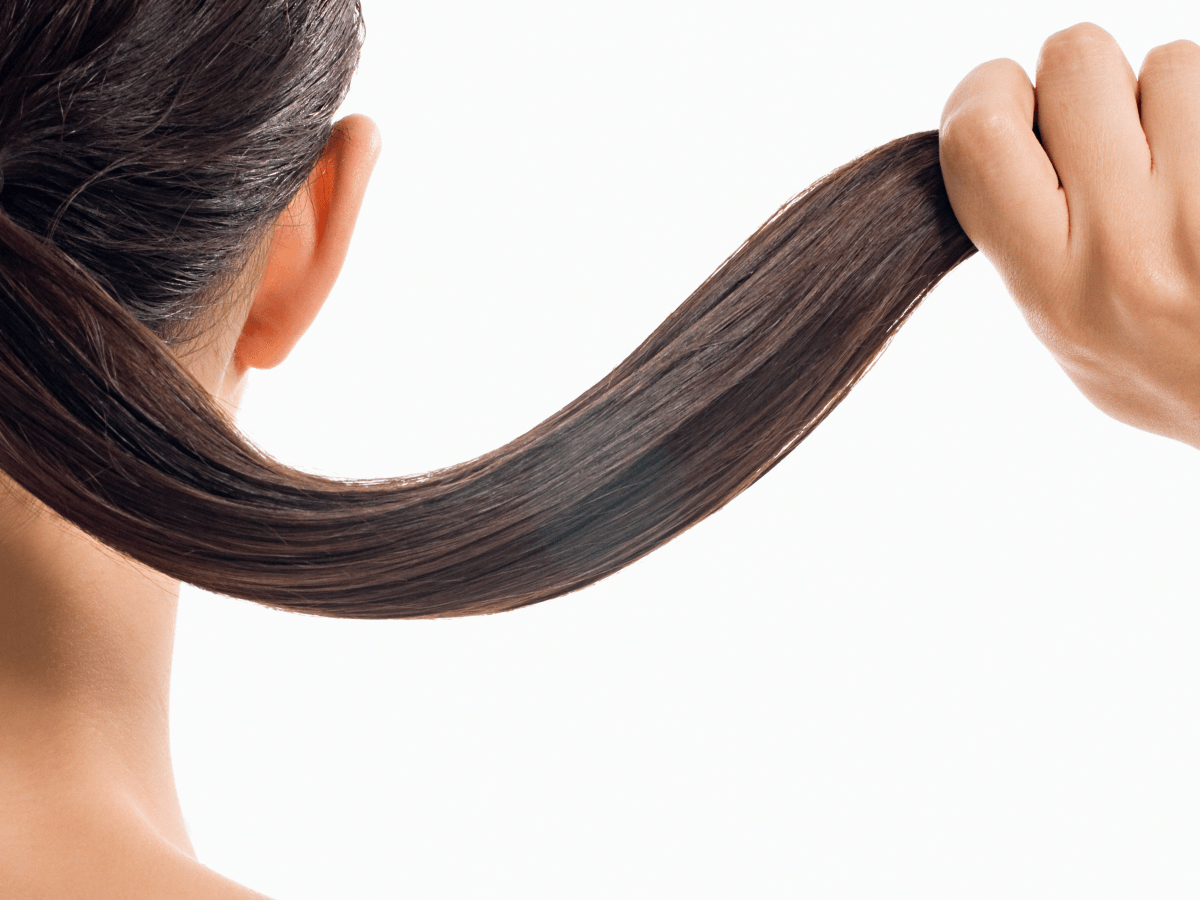
- MEDIUM-POROSITY HAIR takes styling and colouring without resistance, but rain and humidity cause it to frizz. It is easily damaged mechanically. It is usually wavy and dries fairly quickly. This is probably the most common hair type.
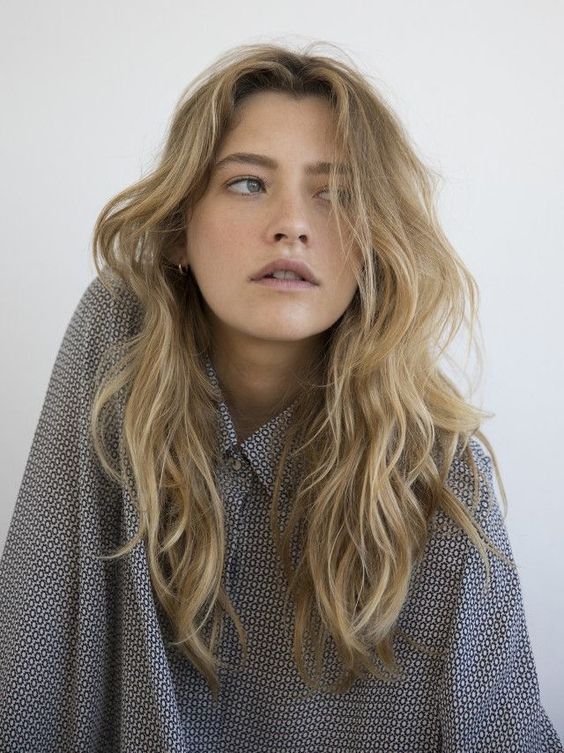
- HIGH-POROSITY HAIR is sensitive and dry. It is most often heavily lightened hair or hair with a natural tendency to curl. It frizzes instantly when humidity in the surroundings rises.
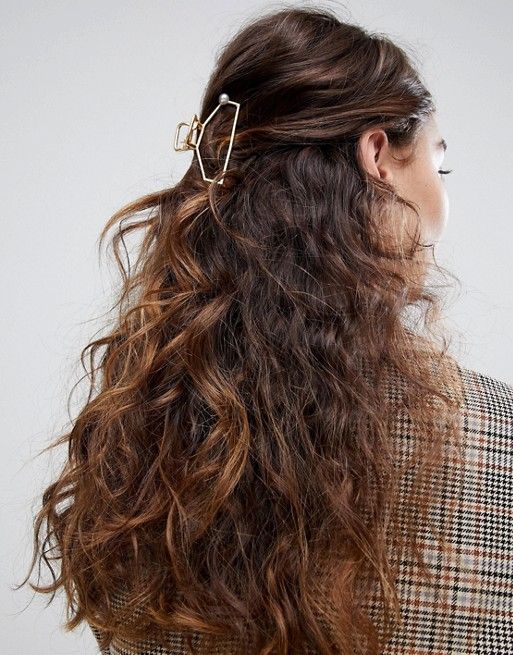
Your hair may not fit neatly into one type. For example, it may be medium-porosity leaning towards high or low porosity, or high- or low-porosity leaning towards medium.
How do you choose the right care according to porosity?
Products with a high content of humectants will make medium- and high-porosity hair frizz strongly.
After emollients, low-porosity hair may become limp, while hair with higher porosity will appreciate them.
Protein conditioners and masks are ideal for high-porosity, damaged hair.
Questions about your hair? At a consultation we will assess your hair and suggest a plan.
Book a consultation