Hair Types – Everything You Need to Know
Healthy, shiny hair is not only a sign of beauty but also an expression of well-being. To achieve this effect, however, it's worth learning about hair types and the appropriate…

Healthy, shiny hair is not only a sign of beauty but also an expression of well-being. To achieve this effect, it’s worth learning about hair types and the right care for each of them. A common mistake is using the same products for every hair type, which can worsen their condition instead of improving it. Read our article and learn about hair porosity and curl types!
In this article you will discover:
- Hair Curl Type – From Straight to Curly
- Hair Porosity – Low, Medium and High Porosity
- Summary: Hair Types and How to Care for Them
Hair Curl Type – From Straight to Curly
The curl type of your hair is one of the key factors determining its appearance and the way it should be cared for. Hair can be straight, wavy, curly or afro, and each of these types requires a different care approach. In this section we will discuss hair curl type.
Methods for Recognising Hair Curl
To start, it’s worth considering how to recognise particular hair types, both women’s and men’s, as the curl can sometimes differ even among members of the same family. In this context the classification proposed by Andre Walker, the well-known hairstylist who developed a system for categorising hair curl, is most often cited. The system divides hair into four main types.
Hair Types – How to Recognise the Curl?
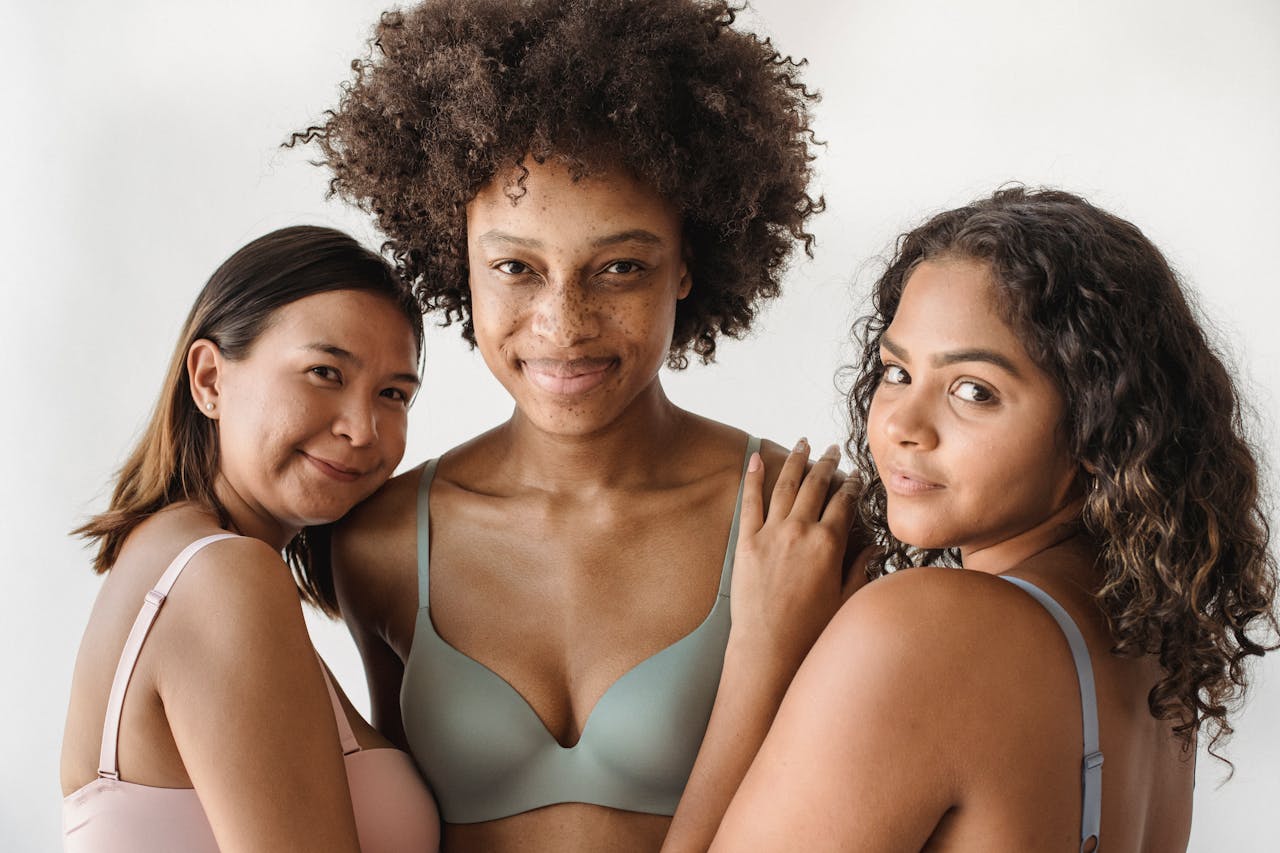
- Type 1: straight – hair of this type has no curl at all. It is usually smooth and shiny, but it may tend to become greasy, as sebum travels more easily along a straight hair surface.
- Type 2: wavy – wavy hair has gentle, often irregular waves. It is not as prone to frizz as curly hair, but it may need products that emphasise its natural pattern and add volume.
- Type 3: curly – this hair has clearly defined curls, which may be spiral- or spring-shaped. All types of curly hair are naturally dry, so it is key to provide it with adequate moisture and nourishment.
- Type 4: afro – this type is characterised by very tight, often zigzag coils. Afro hair is the most prone to damage and dryness, so it needs intensive care and protection against breakage.
Caring for Hair According to Its Curl Type
All these hair types require specific care, products and styling techniques to keep hair healthy and looking beautiful. People with wavy and curly hair should avoid over-washing, which can dry the hair further, and instead use methods such as co-washing (washing with conditioner) or techniques that emphasise the natural curl. Straight hair may need more frequent washing, but also protection from excessive heat during styling. Afro hair, on the other hand, is best cared for with products rich in oils and butters, which provide deep moisture and help keep the hair fibres in good condition.
Knowing your hair type and how to care for it hairdresser from Warsaw can help you match suitable styling methods. The right choice of products and techniques can completely change the way your hair looks and reacts to different weather conditions and care treatments. This makes it possible to achieve real hairstyle transformations.
Hair Porosity – Low, Medium and High Porosity
Another important factor to consider when choosing hair care products is hair porosity. Hair porosity determines how easily hair absorbs and holds moisture. It can be assessed by observing how quickly the hair dries after washing and how it reacts to care products. These three hair types have different needs, which call for an individual approach and a variety of care products.
Hair Types – How to Recognise Porosity?
- Low porosity – low-porosity hair has tightly closed cuticles, which makes it difficult for moisture and care products to penetrate the strand. People with low-porosity hair may notice that care products tend to build up on the surface instead of being absorbed. For this type of hair, light oils and emollients that do not weigh hair down are recommended, along with warm treatments that open the cuticle and help products penetrate.
- Medium porosity – medium-porosity hair is the most versatile type. It absorbs moisture relatively easily but does not lose it too quickly. It is less demanding in care than other types and responds well to a variety of care products. Products containing proteins and emollients are ideal, providing optimal moisture and nourishment.
- High porosity – high-porosity hair has open cuticles, which means it absorbs moisture easily but loses it just as easily. It is prone to damage and dryness, so it is essential to use products rich in oils and butters that provide long-lasting moisture and help keep it locked inside the strand. It is also advisable to use protein products, which help strengthen damaged areas of the hair.
Summary: Hair Types and How to Care for Them
In our article we have presented hair types and their care, which can radically affect the condition and appearance of your hairstyle. Understanding the unique characteristics of your own hair is key, so that you can care for it effectively. Choosing suitable products and methods can significantly improve its condition and make everyday styling easier.
Remember that healthy hair begins not only with proper care at home but also with choosing the right hairdresser. Our salon offers care treatments and hair colouring tailored to hair type. We have a wide range of top-quality products that help keep hair healthy and shiny. We will choose the right hair dye for low-, medium- and high-porosity hair. Come and visit us!
Questions about your hair? At a consultation we will assess your hair and suggest a plan.
Book a consultation