Most Common Hair Problems – How to Deal With Them?
Hair plays an important role in our appearance and wellbeing, which is why looking after its health and condition matters so much. Unfortunately, many people struggle with…

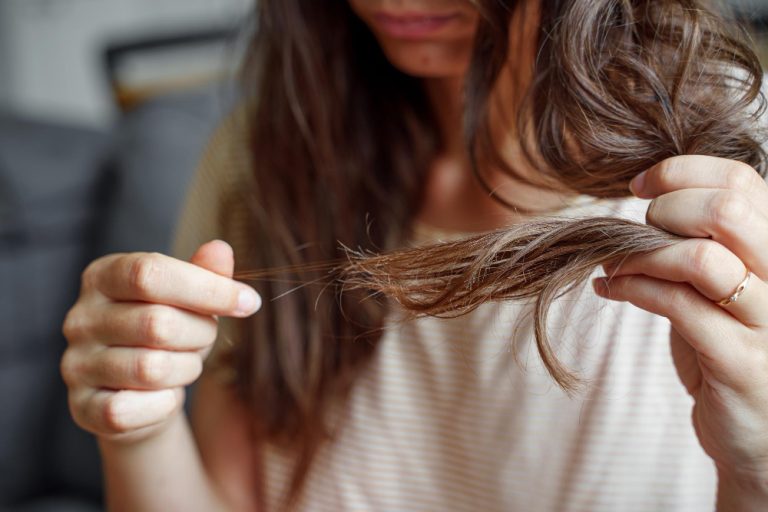
Hair plays an important role in our appearance and wellbeing, which is why looking after its health and condition matters so much. Unfortunately, many people struggle with various hair problems, such as hair loss, breakage, greasiness, dandruff, dullness and scalp damage. In this long blog post we will discuss these hair problems and offer advice on care and treatment.
- Hair loss: Hair loss can result from many factors, such as genetics, stress, hormonal changes, nutritional deficiencies, scalp conditions and so on. What can help reduce hair loss:
- Maintain a balanced diet rich in nutrients such as protein, iron, zinc, vitamins A, C, E and biotin.
 Cosmetics, specifically DK Shampoo and Conditioner contain biotin and vitamin C, which, under the influence of heat, penetrate deep into the hair fibre, moisturising it intensively and supplying the ingredients it needs to stay in good condition.
- Avoid excessive tension on the hair, such as pulling it too tightly into a ponytail or braiding.
- Avoid frequent use of hot styling tools, such as straighteners or hairdryers.
- Consult a dermatologist or trichologist to investigate the cause of hair loss and receive appropriate treatment.
- Brittle hair: Brittleness can result from excessive exposure to harmful external factors, overuse of aggressive styling products, lack of moisture and so on:
- Avoid frequent use of straighteners, curling tongs and hairdryers. If you must use hot tools, apply a heat-protection product beforehand.
- Choose gentle shampoos and conditioners that do not contain harmful substances such as sulphates and parabens.
- Regularly moisturise your hair with natural oils, such as coconut, jojoba or argan oil.
- Avoid colouring or lightening your hair too often, as this can lead to weakness and brittleness.
- Greasy hair: Greasy hair is caused by overproduction of sebum by the sebaceous glands on the scalp. Here are some tips that can help you cope with greasy hair:
- Wash your hair regularly, but avoid using too much shampoo. Washing too often can lead to even greater sebum production by the scalp.
- Choose gentle shampoos with mild ingredients that will not irritate the scalp.
- Avoid greasing your hair on a daily basis. Applying styling products such as balms or oils to the roots can contribute to greasiness.
- Avoid touching your hair often. Our hands are frequently covered in sebum and dirt, which can contribute to greasy hair.
- If you have long hair, try to keep it away from your face, as facial skin can secrete sebum that transfers onto the hair.
- Dandruff: Dandruff is a common scalp problem characterised by excessive flaking of the skin. How do you get rid of it?:
- Choose special anti-dandruff shampoos that contain ingredients such as ketoconazole, sulphur, zinc pyrithione or antimicrobial active substances.
- Avoid very hot water when washing your hair, as it can irritate the scalp.
- Massage your scalp regularly to improve blood circulation and soothe flaking.
- If dandruff is persistent, consult a dermatologist, who may prescribe more intensive treatment.
- Dullness and scalp damage: Dull hair and scalp damage can result from various factors, such as excessive sun exposure, environmental pollution, aggressive styling treatments and so on. Here are some tips on caring for the scalp and hair to improve their condition:
- Use conditioners or hair masks with moisturising and rebuilding properties. Choose products rich in ingredients such as keratin, proteins, aloe or panthenol.
- Limit the use of hot styling tools and always apply a heat-protection product before using a hairdryer, straightener or curling tongs.
- Avoid frequent colouring or lightening, as the chemicals in dyes can weaken the hair structure and the scalp.
- Protect your scalp from the sun by wearing a hat or using products with UV filters.
- Regularly moisturise the scalp and hair with natural oils, such as coconut, argan or avocado oil.
- Avoid aggressive combing or brushing. Choose a gentle brush with natural bristles or a comb with widely spaced teeth.
- Use nourishing hair rinses, such as an apple cider vinegar rinse, which will help restore shine and a healthy appearance.
Remember that every hair problem may have different causes and require an individual approach. If you have serious hair or scalp problems, it is always worth consulting a dermatologist or trichologist for a professional opinion and appropriate treatment.
Caring for your hair and scalp requires consistency and patience, but by following the right advice and care techniques, you can improve the condition of your hair and scalp. Remember, too, that a healthy lifestyle, good eating habits and minimising stress have a huge impact on the condition of your hair. Look after your hair and enjoy a beautiful, healthy look at the Dawid Krynicki Salon! Book an appointment!
Questions about your hair? At a consultation we will assess your hair and suggest a plan.
Book a consultation