Dry Scalp or Dandruff? What Is the Difference?
Dry scalp and dandruff are fairly common skin problems that have a major impact on the condition of your hair. Their symptoms are quite similar, which is why it can sometimes be hard to tell which condition you are dealing with. Both problems have different causes, so it is important to distinguish between them and use the right remedies to get rid of the problem. Find out how to tell dandruff from dry scalp.
Dry scalp and dandruff are fairly common skin problems that have a major impact on the condition of your hair. Their symptoms are quite similar, which is why it can sometimes be hard to tell which condition you are dealing with. Both problems have different causes, so it is important to distinguish between them and use the right remedies to get rid of the problem. Find out how to tell dandruff from dry scalp.
What is dandruff?
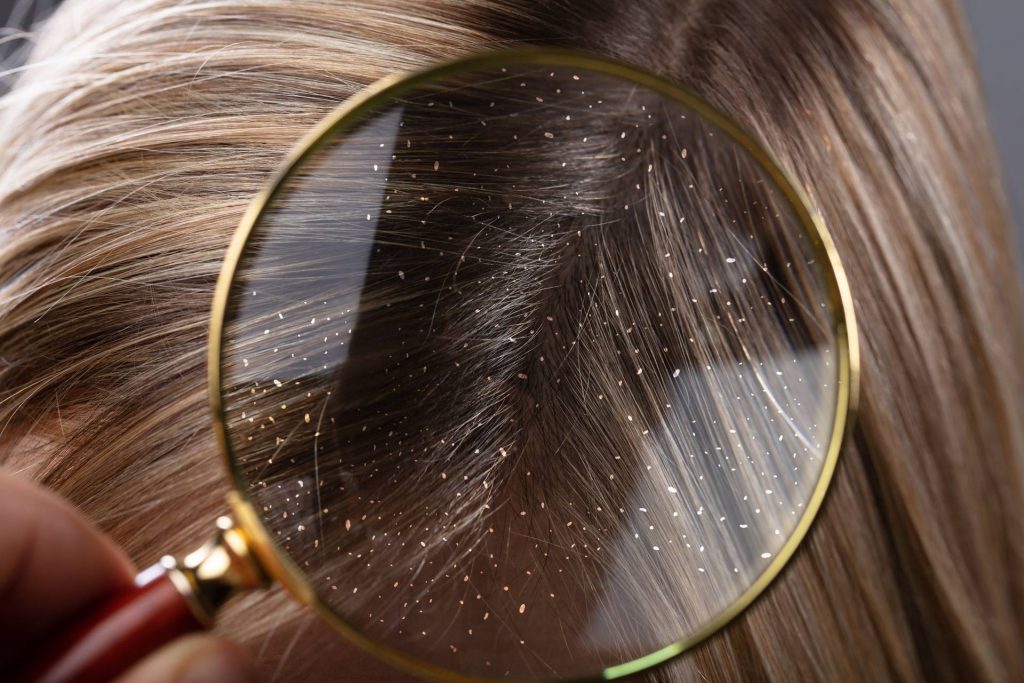
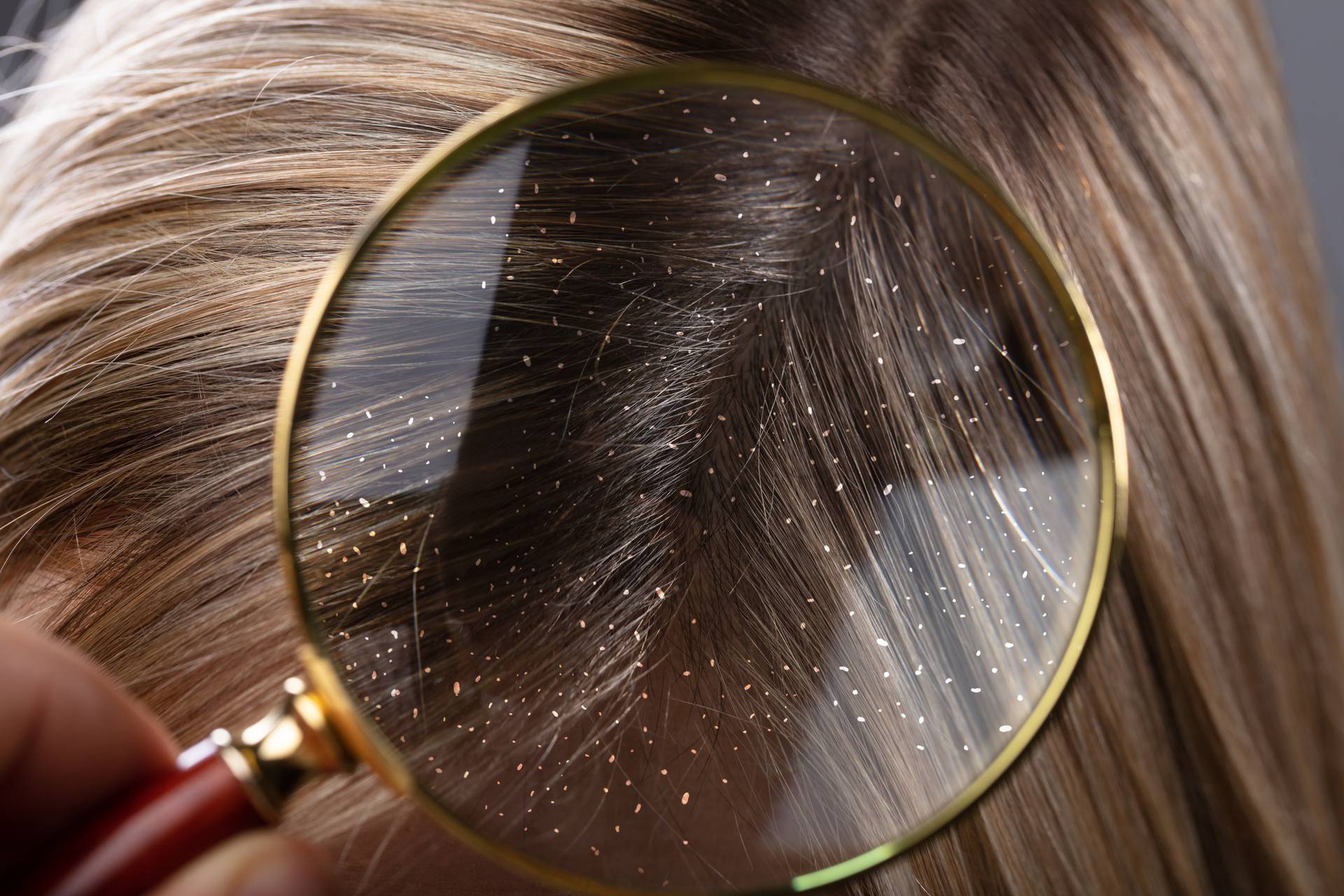
Dandruff is a fairly common condition involving excessive flaking of the epidermis. It turns out that as many as 50% of people worldwide may suffer from dandruff. The problem is caused by excessive growth of the Malassezia fungus. Although it lives naturally on the scalp of every person, it can multiply excessively. This is most often linked to skin irritation and an improper pH, which occur with immune and hormonal disorders, stress or an incorrect diet. Ultraviolet radiation and air pollution also favour the growth of the fungus. Excessive fungal growth may also result from over-styling the hair, overheating the scalp with a hairdryer, rinsing cosmetics off inadequately or using too much of them, and washing the scalp too rarely. Most often we are dealing with oily dandruff and dry dandruff, the latter of which is most often mistaken for dry scalp. Oily dandruff results from excessive oiliness of the skin and sebum production, while dry dandruff is associated with inflammation.
How can you tell dry scalp from dandruff?
Dry scalp can very often resemble dandruff due to the type of flaking. However, the skin that flakes off a dry scalp is quite small and dry. With dandruff the skin is moist, and characteristic scales form on the scalp itself. When dry scalp is treated with anti-dandruff products, the symptoms persist. Dry skin most often appears in stages, for example during temperature changes, excessive exposure to sun or frost, drinking too little water, or an improper diet lacking vitamins and minerals. Dandruff is a fungal infection that will not go away on its own without appropriate treatment, such as antifungal emulsions or shampoos. Getting rid of a fungal infection can be quite demanding and long-term. For dry skin it is worth using gentle moisturising products, drinking plenty of water and changing your diet to one rich in micro- and macroelements.
Questions about your hair? At a consultation we will assess your hair and suggest a plan.
Book a consultation